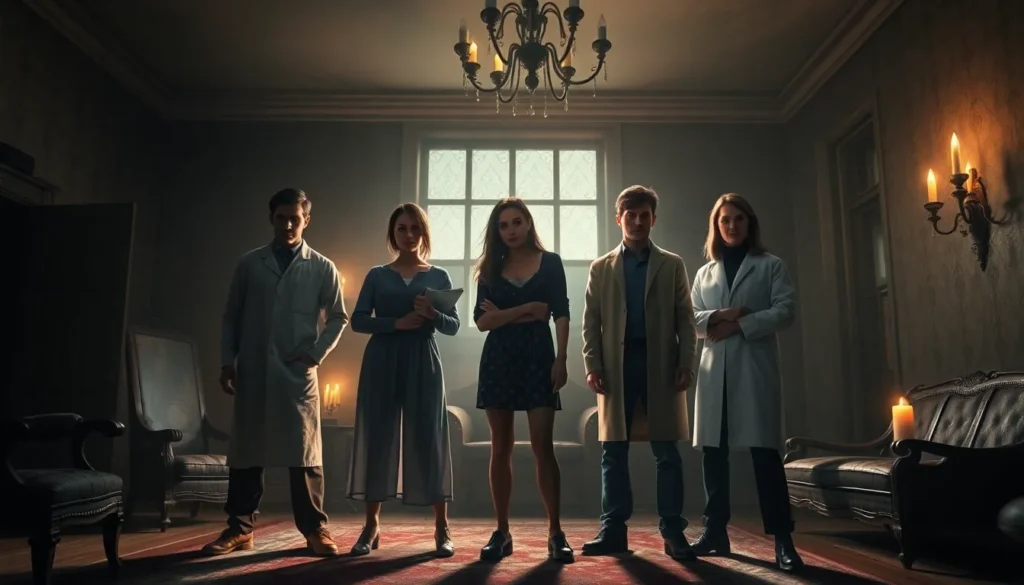
When it comes to horror gaming, few titles evoke a sense of dread quite like “Sweet Home.” This game isn’t just a wild ride through a spooky mansion: it’s also a cornerstone in the evolution of survival horror. If you’re ready to dig deep into how this trailblazing game shaped a genre, grab a flashlight, and let’s explore the eerie corridors of Sweet Home together.
Overview of Sweet Home Game
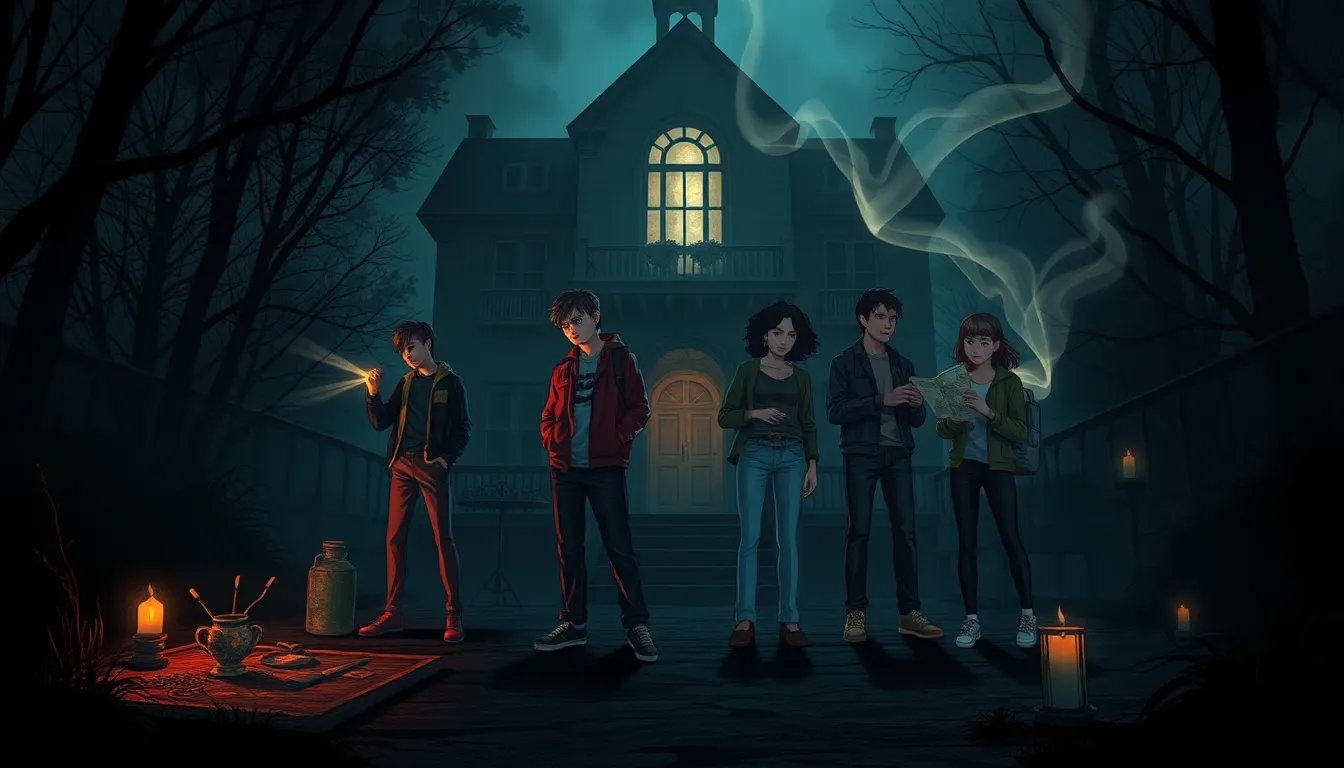
Released in 1989 by Capcom, “Sweet Home” originally captivated audiences as an RPG on the Nintendo Entertainment System. Inspired by the 1987 Japanese horror film of the same name, it seamlessly blended action, puzzle-solving, and an intense narrative that several players still remember today. This game marked a departure from typical RPG mechanics, introducing horror elements that left an indelible mark on future titles. Players weren’t just navigating dungeons: they were doing it with a sense of impending doom. The immersive atmosphere set the stage for what was to come in horror gaming.
Game Development and History
The development of “Sweet Home” was anything but simple. Capcom, well-known for their action-packed games, decided to dabble in horror, a genre not previously explored in their portfolio. The team, captivated by the film’s aesthetic and themes, sought to create a game that echoed the fear and tension of its cinematic counterpart. They experimented with gameplay mechanics that would eventually become staples in the genre, including perma-death and inventory management. A quick glance back reveals that the game was a part of the early wave of survival horror, preceding classics like “Resident Evil” by several years. Its innovative blend of storytelling and gameplay mechanics marked it as a pivotal point in gaming history.
Gameplay Mechanics and Features
“Sweet Home” stands apart with its unique gameplay mechanics that challenge players to think critically about their choices. Each character possesses different skills, encouraging players to strategize, and let’s face it, beg for mercy when they encounter the game’s formidable puzzles and terrifying enemies. The game implements a survival element where items were limited, heightening tension: you don’t just collect items for fun. The permadeath feature meant players could permanently lose characters, ramping up anxiety as players navigated through darkened hallways.
Also, the game uniquely combines exploration, puzzle-solving, and combat. Players must work together to progress, utilizing each character’s unique skills, establishing a sense of teamwork amid the chaos. This innovative approach to gameplay mechanics has influenced countless horror titles that followed.
Characters and Plot Analysis
At the heart of “Sweet Home” lie its characters and a story that keeps gamers on edge. Players assume the roles of five characters, each with distinct backstories and abilities, including a painter, a journalist, and a doctor, definitely not the types you want around when spirits are lurking. The plot unfolds as they explore a haunted mansion, searching for the remnants of a lost artist. As players investigate deeper into the mansion, dark secrets surface, adding depth and complexity to the narrative. This intricate storytelling adds to the immersion, allowing players to become truly invested in each character’s journey.
The character dynamics are equally fascinating. Each has personal stakes in the adventure, influencing how players interact with them and shaping the overall experience. This level of characterization elevates the game from mere horror to a profound narrative experience.
Impact on the Horror Game Genre
“Sweet Home” has left an undeniable footprint on the horror gaming landscape. Its emphasis on survival, resource management, and psychological horror set a precedent for future horror games. The tension created through limited resources and permadeath has been echoed in numerous titles, effectively adapting the ‘survival horror’ formula found in franchises like “Resident Evil” and “Silent Hill.”
Not only did it introduce compelling gameplay mechanics, but the game’s atmospheric horror rooted itself in player emotions, spurring developers to explore similar themes. The concept of teamwork amid horror environments became popular, showcasing how character dynamics could profoundly impact player experience.
Critical Reception and Legacy
Upon its release, “Sweet Home” garnered praise for its innovative approach to storytelling and gameplay. Critics lauded its atmospheric dread, as well as its unique mechanics that combined RPG elements with horror. While it may not have achieved blockbuster status in the West, it became a cult classic, forever praised in retrospective discussions of genre-defining titles.
Years later, the legacy of “Sweet Home” continues as game developers cite it among their inspirations. Rescued from obscurity, it has been re-released for modern platforms, allowing new generations of players to experience the original fear that captured audiences nearly three decades ago. Its influence permeates current horror games, making it not just a nostalgic relic but a fundamental piece of gaming history.